


Necrophonic
3.81.40K Reviews
App Specs
- Version
- 1.992
- Updated On
- License
- $9.99
- Downloads
- 100,000+
- Developer
- ChillSeekers
- Categories
- Lifestyle
- Platform
- Android, iOS
Screenshots
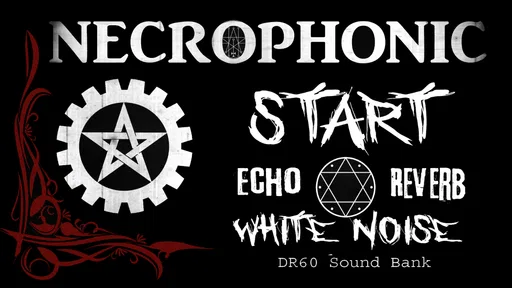
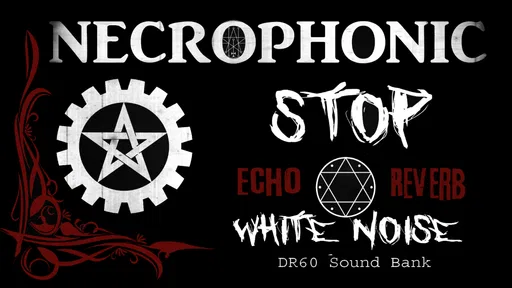
 Analysis by AppCompare
Necrophonic is an unusual lifestyle app, and my view of it comes down to one clear point: it is best treated as an experimental tool for EVP research, not as proof that spirit communication is real. I found the experience most interesting when I approached it with a calm, repeatable method rather than expecting dramatic answers. That distinction matters, because the app can be intriguing for curious users while feeling frustrating or misleading to anyone looking for certainty.
Developed by ChillSeekers, this paid app focuses on ITC, or instrumental transcommunication, and electronic voice phenomena. It sits in a niche space between paranormal investigation, personal reflection, and entertainment. The audience is relatively established for such a specialized product, with over one hundred thousand installs, a 3.8 average from around three and a half thousand ratings, and roughly one and a half thousand written reviews. Those figures suggest genuine interest, but they also fit an app that divides opinion rather than satisfying everyone.
What the experience is really like
The central appeal is the possibility of capturing or interpreting voices during a session. Instead of using the app like a normal lifestyle utility, I treated each attempt as a controlled listening exercise. I chose a quiet room, kept the phone in one position, asked short questions, and recorded my own observations separately. That workflow made the experience more useful because it reduced the temptation to reinterpret every sound immediately.
My strongest recommendation is to decide on the purpose of a session before opening the app. If I wanted a spooky atmosphere, I could simply explore casually. If I wanted something closer to EVP research, I needed a notebook, a fixed session length, and questions that could be answered clearly. This simple separation between entertainment and observation is one of the most important practical differences in how the app feels.
Necrophonic works particularly well as a prompt for focused listening. A user may hear fragments, rhythms, or sounds that encourage interpretation, but that does not automatically make them meaningful communication. Background noise, expectation, and the brain’s habit of finding patterns can all influence what appears to be a word. I found that replaying a moment several times often changed my impression of it, which is a useful reminder to stay cautious.
For that reason, I would not use it to make serious decisions, identify a medical problem, settle a family dispute, or determine whether a place is dangerous. The app belongs in the category of personal experiments and paranormal exploration. Its value depends heavily on the user’s attitude, and curiosity works better here than certainty.
A practical session that makes sense
A realistic use case would be a small group of friends visiting a location they already find interesting. Rather than passing the phone around and shouting questions, I would have one person operate it, another keep notes, and everyone else remain quiet. I would begin with neutral questions, avoid leading wording, and write down the exact time of anything that seems distinctive. Afterward, I would compare notes without telling everyone what I thought I heard first.
Worth Reading Before You Choose

EA SPORTS FC Mobile 26 Is a Bigger Football Game, but It Takes Time

Flipboard Shows What News Apps Must Do Beyond the Feed

Switching to Android Auto Means Rethinking Your Driving Routine

Google Calendar Makes a Crowded Week Easier to Manage

Ludo King Makes the Most of the Minutes Between Plans

Baby Panda World Brings Quick Play to Modern Phones, but Its Game Library Feels Busy
This approach exposes a trade-off that is easy to miss. The more people involved, the more atmosphere the session may have, but the harder it becomes to separate the app’s output from reactions, whispers, movement, and suggestion. A solo session is less exciting, yet it gives me better control. A group session is more social, but it needs stricter discipline if the goal is research rather than storytelling.
Another useful habit is to create a baseline before asking questions. I would listen briefly without speaking, note the ordinary sounds in the room, and only then begin. This helps prevent a familiar environmental noise from being mistaken for a response. I would also avoid changing rooms, lighting, or phone position halfway through a session, since consistency makes later comparisons more meaningful.
Keeping the phone stable is more important than it sounds. Handling it during a session can introduce taps, clothing noise, breathing, or changes in distance that affect what is heard. I would place it on a firm surface, silence unrelated notifications, and avoid covering the microphone area. These are not magical precautions; they are basic recording discipline, and they make the results easier to judge honestly.
Where it differs from ordinary lifestyle apps
Most lifestyle apps help with routines, relaxation, planning, or personal organization. Necrophonic does none of those familiar jobs. It is closer to a specialized instrument for a hobby. That makes comparison with meditation apps, journaling tools, or general sound apps somewhat unfair, but the comparison is still useful: those alternatives usually offer a predictable benefit, while this app offers an uncertain experience that depends on interpretation.
If I wanted calm background audio, a meditation app would be the better choice. If I wanted to document thoughts, a journal would be clearer and more private. If I wanted to record ordinary environmental sound, a conventional recorder would give me a more straightforward workflow. Necrophonic makes sense only when the paranormal investigation angle is the reason I am opening it.
That narrow purpose is also its strongest identity. It does not try to disguise itself as a broad wellness product. The store summary presents it as an ITC application for spirit communication and EVP research, and the experience follows that specialized direction. I appreciate the focus, although users should understand that a narrow tool has less everyday usefulness than a general-purpose alternative.
The biggest limitation: interpretation can outrun evidence
The main weakness is not simply that results may be unclear. It is that the format encourages the listener to search for meaning in ambiguous audio. Once I have a question in mind, I can easily connect an indistinct sound to the answer I hoped to hear. That risk exists in any EVP experiment, but an app built around this kind of listening makes the problem central rather than occasional.
I would therefore avoid presenting a session result as a confirmed message. Even when several people hear the same apparent word, agreement may reflect the wording of the question or the influence of the first person who suggests an interpretation. A more responsible conclusion is that the group noticed a sound that resembled a word. That may still be interesting, but it is not the same as verification.
The paid price also raises the bar. At $9.99, this is not an impulse download for someone who is only mildly curious. I think the cost is easier to justify for a committed paranormal hobbyist who expects to use it repeatedly. For someone who wants one spooky evening, the purchase may feel excessive, especially if the session produces nothing personally convincing.
The Teen content rating is another reason to think about audience and setting. I would not hand the app to a child as if it were a harmless toy, particularly if that child is anxious, grieving, or inclined to take ambiguous sounds literally. Adults should set expectations before a session and make it clear that the experience is interpretive. A spooky theme can be enjoyable, but it should not be used to intensify fear.
How I would use it responsibly
My preferred workflow has three stages. First, I define a question that does not force a particular answer. “Can you confirm you are here?” is more leading than a neutral prompt such as “Is there anything you want to communicate?” Second, I keep a written record before discussing impressions with anyone else. Third, I review the session later, when the atmosphere has faded and I am less eager to hear a particular response.
I would also separate emotional value from factual value. A session might help someone reflect on grief, memory, or a meaningful place, even if the sounds cannot establish communication with a spirit. That personal meaning can be real to the user without becoming scientific evidence. Keeping those two ideas separate lets the app remain engaging without making claims it cannot support.
One non-obvious advantage of this method is that it reveals how much the room contributes to the experience. When I note fans, traffic, plumbing, footsteps, and neighboring voices first, later sounds become easier to classify. The app then becomes part of a broader observation process instead of the sole authority. That makes the hobby more thoughtful and gives me a better chance of recognizing ordinary explanations.
I would never use a session alone in an unfamiliar or unsafe location. The app does not replace practical judgment about buildings, weather, strangers, animals, or physical hazards. Paranormal curiosity should not encourage trespassing or risky exploration. In everyday use, a quiet home session with clear boundaries is a much better choice than chasing dramatic conditions.
Who should consider downloading it
I think the best audience is an adult or mature teen who already enjoys paranormal investigation and understands the difference between an intriguing impression and reliable evidence. The app may also suit creators who want to explore a spooky subject, provided they label interpretations honestly and avoid presenting ambiguous audio as fact. Its focused design is useful for people who want a dedicated tool rather than a general recording app.
It is less suitable for anyone seeking reassurance after a bereavement. In that situation, an unclear sound can feel intensely personal, and the app may encourage repeated sessions or dependence on uncertain answers. A journal, conversation with someone trusted, or professional support would be a safer and more dependable route. The same applies to users who are already frightened by paranormal ideas.
I would also skip it if I expect polished guidance, structured lessons, or a broad set of lifestyle features. This is not a wellness coach, a scientific instrument, or a conventional audio editor. Its appeal is intentionally narrow. The right question is not whether it can replace everyday apps, but whether its particular paranormal focus is worth paying for in my own routine.
Device compatibility is fairly approachable for an older Android phone, since the listed minimum operating system is Android 6.0. The current version is 1.992, so I would still check that my device behaves properly before planning an important investigation. Compatibility alone does not guarantee a satisfying session, but it does make the app accessible to users who are not carrying a recent handset.
What I would want to know before paying
The first question is whether the app guarantees a meaningful response. My answer is no: I would approach every output as ambiguous material to examine, not as an authenticated message. The second question is whether it is useful without a group. Yes, a solo session can actually be easier to control, although it may feel less entertaining.
Another common concern is whether it is suitable for casual fun. It can be, but I would keep the tone light and avoid using it to frighten someone who has not agreed to participate. A prank can quickly become distressing when the subject involves death, grief, or personal fears. Consent and context matter more here than they would with an ordinary party game.
Users may also wonder whether the price is justified. In my opinion, it depends on repetition. Someone who plans occasional, careful sessions may get enough enjoyment from the focused concept to make the purchase reasonable. Someone who is merely curious about the name should probably compare the cost with free recording tools and decide whether the specialized experience itself is worth the difference.
Finally, the rating history gives me a useful expectation: this is not a universally loved app. A 3.8 average suggests a mixed experience, which matches my own conclusion that the product depends heavily on personal belief, patience, and method. I would not buy it expecting the app alone to create a convincing investigation. The user supplies much of the structure, skepticism, and atmosphere.
My verdict after using it
Necrophonic is a focused and unusual app that earns its place only when the user genuinely wants to explore ITC and EVP-style sessions. I like its clear identity, and I found the experience more rewarding when I used notes, neutral questions, a stable phone position, and delayed review. Those habits turn a potentially chaotic paranormal session into something more reflective and repeatable.
Still, the limitations are substantial. Ambiguous audio can invite overinterpretation, the $9.99 price is high for casual curiosity, and the app offers little value outside its niche. I would not treat it as evidence, therapy, a safety guide, or a replacement for ordinary recording and journaling tools. For those purposes, more conventional alternatives are better.
My recommendation is therefore specific: buy it if you are a careful paranormal hobbyist who wants a dedicated experiment and is comfortable with uncertainty. Skip it if you need dependable answers, emotional reassurance, or a practical lifestyle utility. Used with skepticism and clear boundaries, it can provide an engaging evening of observation. Used as a source of certainty, it is likely to disappoint.
ChillSeekers has made something distinctive rather than broadly useful, and that is both the charm and the problem. I would recommend it to a friend only after explaining the trade-off: the app can shape an interesting investigation, but it cannot validate the story you may hear in the sounds.
Pros
- Simple interface makes it easy to start sessions quickly.
- Works offline
- so no account or constant internet connection is required.
- Includes adjustable audio effects for experimenting with different sounds.
- Short sessions can be useful for casual paranormal investigation.
- Compatible with many modern Android and iOS devices.
Cons
- The audio output can be unsettling
- especially with headphones or at night.
- Results are subjective and cannot be verified as genuine spirit communication.
- Limited settings may feel restrictive for experienced paranormal enthusiasts.
- The app may encourage confirmation bias during ambiguous recordings.
- Some devices may produce uneven sound quality or noticeable background noise.
FAQs for Necrophonic
What is Necrophonic, and how does it work?
Necrophonic is a paranormal investigation app designed to simulate spirit communication through a constantly changing bank of vocal sounds, words, and audio fragments. Users typically ask questions while listening for relevant responses. It is intended for entertainment and experimental use rather than verified communication with spirits, and the app’s audio output can easily be influenced by expectation, background noise, and personal interpretation.
Is Necrophonic a real spirit communication tool or just entertainment?
Necrophonic should be treated as entertainment and a paranormal-themed experiment, not as scientifically proven communication technology. The app generates or processes audio in a way that may produce sounds resembling words, but there is no reliable evidence that these sounds come from supernatural entities. Users should approach sessions with a skeptical mindset and avoid making important personal, medical, financial, or safety decisions based on anything they hear.
Is Necrophonic safe to use?
The app itself is generally straightforward to operate, but the experience may feel unsettling, especially when used alone, in darkness, or by people who are easily frightened. It is best used in a comfortable environment and at a reasonable volume. Children should use it only with adult supervision. Anyone experiencing anxiety, sleep problems, or distress related to paranormal themes should avoid using the app.
Does Necrophonic require an internet connection or special equipment?
Necrophonic is designed to be used on a mobile device without specialized paranormal equipment. Depending on the version and platform, some features or initial installation requirements may involve an internet connection, while the core audio experience may work offline. Headphones can make the changing sounds easier to hear, but they are optional. Always check the current store listing for exact device, permission, and connectivity requirements.
What should I know before downloading Necrophonic?
Before downloading Necrophonic, review the current price, supported operating system, privacy information, permissions, and refund rules shown on the official app store. The experience is subjective, and results can vary considerably between users. Do not expect clear or consistent answers, and remember that apparent words may be random sounds interpreted by the listener. Downloading from official Google Play or App Store listings is the safest option.


